+ 530 Years Old History +
History of
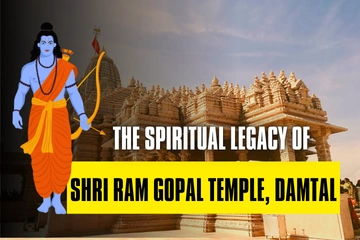
Ram Gopal Temple, Damtal
A beacon of faith, heritage, and healing, this temple holds immense spiritual significance for devotees across India.
Nestled in the tranquil village of Damtal, in the Indora subdivision of Kangra district, Himachal Pradesh.
A beacon of faith, heritage, and healing, this temple holds immense spiritual significance for devotees across India.
The story of Shri Ram Gopal Temple begins in the year Samvat 1550 (approximately
1493CE),during a time when the region was covered in dense forests and untouched natural
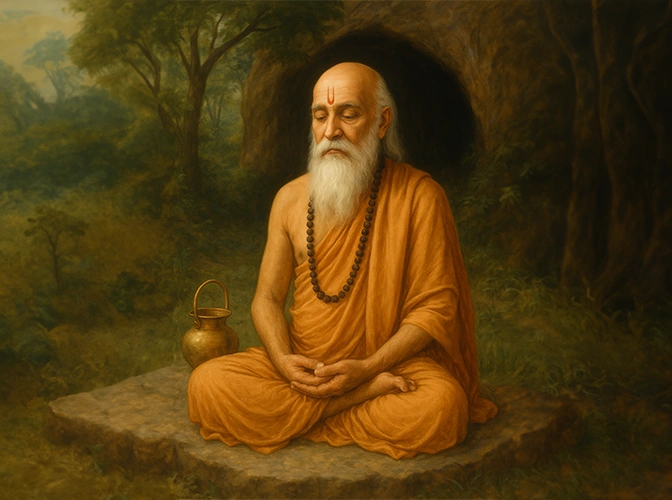
beauty. It was here that Saint Bhagwan Dass Ji, a deeply spiritual soul from Pindori Dham in
Gurdaspur (Punjab), chose to meditate in seclusion.
Legends say that Saint
Bhagwan Dass
lived a life of intense devotion and simplicity, residing in a humble cave near Damtal,
spending his days in prayer and service to cows. Children and villagers who came across him
were drawn to his calm aura and divine energy. Slowly, word spread, and people began
visiting him, seeking blessings and spiritual guidance.
The turning point came when the King of Nurpur, who was childless and desperately
seeking an heir, visited the saint in hope and faith. Bhagwan Dass Ji blessed the king, and
miraculously, the queen gave birth to a healthy son—the first in seven generations. In deep
gratitude, the king donated a fort and vast stretches of land in Damtal to the saint.
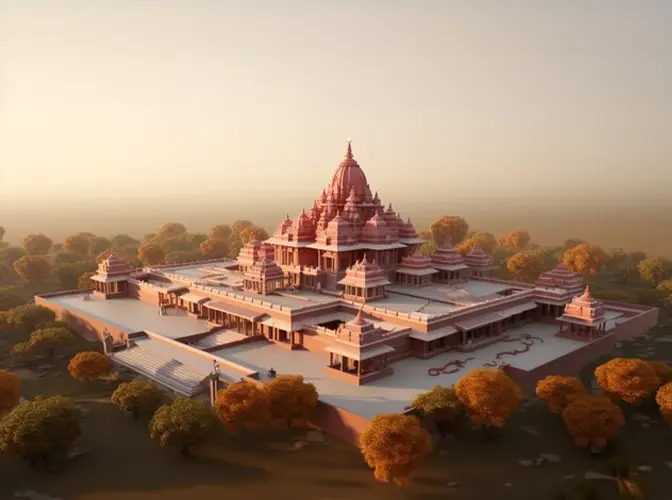
With this royal patronage, Shri Ram Gopal Temple was constructed. The central
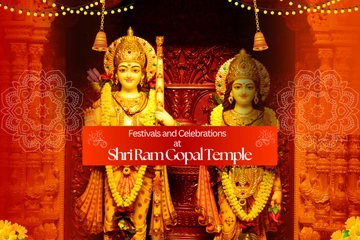
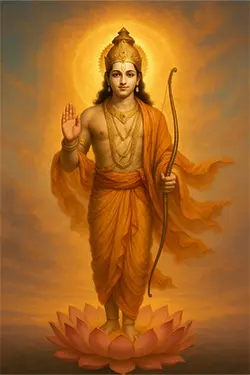
deity installed was Lord Rama, carved from pure white marble, radiating peace and divinity.
The temple was designed in a unique flat-roofed architectural style, representative of the
regional Himachali influence, and adorned with intricate Kangra-style paintings and murals
that depicted scenes from the Ramayana and Indian mythology.
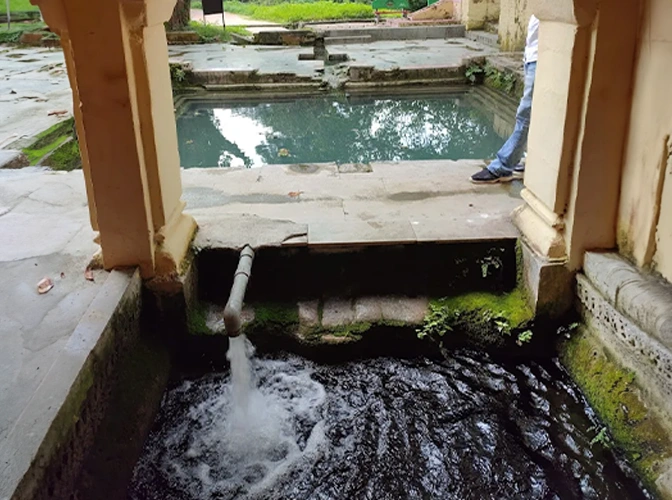
One of the most remarkable features of the temple complex is the presence of several natural ponds (kunds), believed to have medicinal properties. Devotees take a holy dip in these waters, seeking relief from ailments and spiritual cleansing. Over time, the temple became not just a place of worship, but also of healing and inner peace.
Over the centuries, the temple grew in stature and wealth. Donations from kings,
landlords, and common devotees led to the expansion of the temple trust, which came to own
over 17,000 kanal of land in Himachal Pradesh and 550 kanal in Punjab—making it one of the
wealthiest religious institutions in the region.
For generations, the temple
was managed by hereditary mahants, but in 1994–95, the government took over its
administration to ensure transparency and protection of its vast assets. The move marked the
beginning of a new era of governance and restoration.
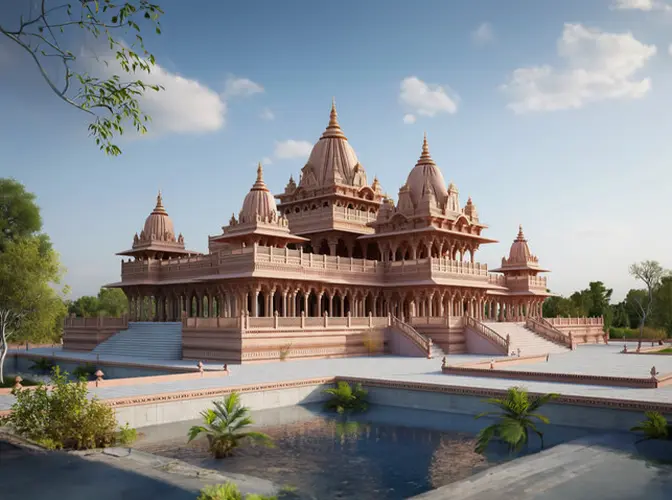
In 2015, under the leadership of then-Chief Minister Virbhadra Singh, a comprehensive restoration project was initiated. The focus was on:
The restoration attracted historians, archaeologists, and students eager to study the temple’s art, architecture, and oral history.